
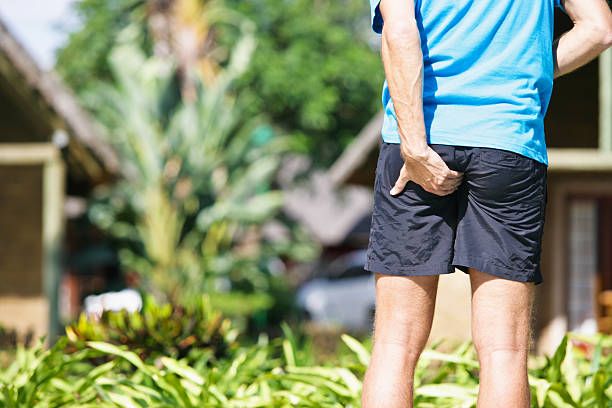
Haemorrhoids are a common, yet often misunderstood, condition that can significantly impact daily comfort and quality of life. For many patients, the decision to seek haemorrhoids treatment in Dubai is often delayed due to anxiety regarding the procedure or concerns about recovery time. It is important to know that modern medical interventions for piles removal in Dubai are far more advanced, efficient, and comfortable than the methods of the past. By understanding the reality of these treatments—including the sensations, the expected recovery, and the safety protocols involved—you can move from a state of constant discomfort to one of relief and confidence, knowing you are in capable, professional hands.
Why is early professional intervention important?
Early intervention is critical because haemorrhoids, if left untreated, can progress from mild discomfort to more painful, symptomatic conditions that require more complex intervention. Seeking professional medical advice at the first sign of symptoms allows for the exploration of non-surgical haemorrhoid treatment options that are highly effective and minimally invasive. When caught early, patients often find that simple, targeted procedures can resolve their symptoms quickly. Procrastination frequently leads to the necessity of more invasive procedures, which naturally involve longer recovery periods and more significant post-procedure management. Taking the step to consult a specialist early preserves your comfort and prevents the condition from disrupting your professional and personal lifestyle.
How does modern haemorrhoids treatment in Dubai work?
Modern medicine has shifted toward precision-based techniques that target the underlying issue while minimizing trauma to the surrounding delicate tissue.
Is non-surgical haemorrhoid treatment painful?
Most patients are surprised to find that modern non-surgical interventions, such as rubber band ligation or infrared coagulation, are remarkably well-tolerated. During the procedure, the area is treated with local numbing agents, meaning the sensation is typically limited to a feeling of slight pressure or "fullness" rather than acute pain. Because these methods target internal tissue that lacks somatic pain receptors, the "sharp" pain many patients fear is rarely experienced. Following the procedure, most patients report a dull, temporary ache that is easily managed with over-the-counter support. It is far less daunting than most people anticipate, often lasting only minutes in the office.
What is the realistic downtime for piles removal in Dubai?
The recovery timeline depends heavily on the severity of the condition and the chosen technique, but most patients return to normal activities within 48 to 72 hours. While you may feel some localized tenderness or the need to be mindful when sitting for the first few days, you are generally not "bedridden." We advise patients to avoid heavy lifting or high-impact physical exercise for approximately one week to allow the tissue to fully stabilize. Most patients who work in office-based roles find they can return to their daily responsibilities very quickly, provided they follow the simple post-procedure instructions regarding hydration and fiber intake.
Comparing Haemorrhoid Intervention Options
| Treatment Type | Invasive Level | Typical Recovery Time | Primary Benefit |
|---|---|---|---|
| Rubber Band Ligation | Low (Non-Surgical) | 2–3 Days | Rapid relief, minimal downtime |
| Infrared Coagulation | Low (Non-Surgical) | 1–2 Days | No anesthesia, office-based |
| Surgical Haemorrhoidectomy | High (Surgical) | 2–4 Weeks | Best for severe, chronic cases |
Safety and Suitability Considerations
Ensuring a safe outcome begins with a comprehensive assessment to determine if a procedure is appropriate for your unique clinical picture.
Who should not undergo current haemorrhoid procedures?
Certain individuals, such as those with severe inflammatory bowel disease, active rectal infections, or significant blood clotting disorders, may not be suitable candidates for standard office-based procedures. Furthermore, patients who are currently using prescription anticoagulants must have their medication managed or adjusted by their specialist before any intervention can take place. Safety is our primary concern; we prioritize a thorough review of your medical history and current health status before recommending any path forward. This clinical diligence ensures that the treatment not only resolves the haemorrhoids but also supports your long-term rectal and digestive health.
What do patients experience during recovery?
The immediate post-procedure period is often characterized by a heightened awareness of the treated area, but this typically settles into a manageable state very quickly.
- Sensitivity: You may notice a slight stinging sensation or a persistent urge to pass stool in the first 24 hours. This is the body’s natural response to the procedure and usually fades as the area stabilizes.
- The Importance of Fiber: Recovery is significantly improved by maintaining soft bowel movements. We emphasize high-fiber intake and adequate hydration to prevent straining, which is the primary cause of post-treatment discomfort.
- Hygiene: Gentle cleansing and the use of sitz baths are highly recommended. These simple steps significantly reduce inflammation and help the tissue heal cleanly and rapidly.
"I spent months worrying about the procedure and reading horror stories online," says Ahmed, a local patient. "In reality, the treatment at the clinic was over before I knew it. The discomfort afterward was nothing compared to the daily pain I was living with before. I wish I had come in six months earlier."
Sarah, another patient, adds, "The team made me feel completely at ease. I was back to my desk job two days later, and honestly, the relief was immediate. It was such a small price to pay for finally being pain-free."
Why Choose Us
At Tajmeels Clinic, we understand that intimate health concerns like haemorrhoids require a blend of advanced medical expertise and deep patient empathy. Our specialists are dedicated to providing discreet, high-precision haemorrhoids treatment in Dubai that prioritizes your comfort, safety, and long-term well-being. We move away from the traditional, anxiety-inducing approach to proctology, offering a clean, modern, and supportive environment where your dignity and health are the top priorities. If you are ready to resolve your discomfort and get back to your life with confidence, we invite you to book a confidential consultation today.
FAQ
Is there any way to avoid surgical intervention?
Yes, in the vast majority of early-stage cases, non-surgical haemorrhoid treatment is highly effective. By seeking care early, you can often avoid the need for invasive surgery. Our goal is always to utilize the least invasive, most comfortable method possible while ensuring lasting results for your condition.
Will I require anesthesia for the procedure?
Most non-surgical procedures used for piles removal in Dubai do not require general anesthesia. We use local numbing agents to ensure the area is comfortable, allowing you to remain awake and conversational throughout the process. This approach is much safer and allows for a quicker recovery for the patient.
How do I know if my haemorrhoids are severe?
You may have severe haemorrhoids if you experience persistent bleeding, significant prolapse that does not retract on its own, or chronic pain that impacts your ability to sit or walk. If you notice these symptoms, it is time to schedule a professional assessment to determine the most effective course of treatment.
What should I avoid after my treatment?
For the first week, we recommend avoiding heavy lifting, strenuous exercise, and straining during bowel movements. It is also important to avoid spicy foods and caffeine if they tend to irritate your digestive system. Following these simple guidelines ensures the fastest possible healing process and prevents unnecessary complications.
Are the results of non-surgical treatment permanent?
Non-surgical treatments are highly effective at resolving existing haemorrhoids and providing long-term relief. However, haemorrhoids can return if the underlying causes—such as chronic constipation or straining—are not managed. We provide a full post-treatment plan, including diet and lifestyle adjustments, to help you maintain your results for the long term.