
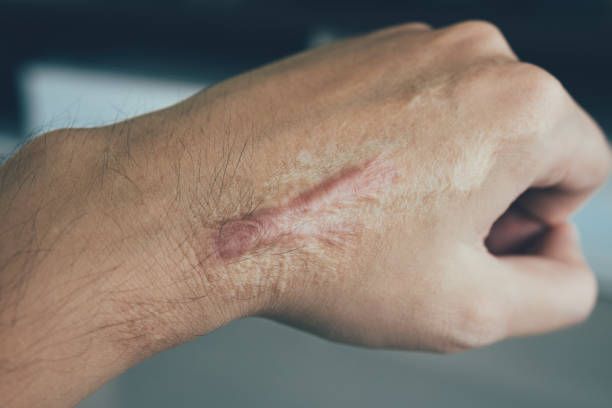
For many individuals, a scar is more than just a mark on the skin; it is a source of physical discomfort and emotional self-consciousness. When a wound heals with a raised, reddish, and firm texture, it is often identified as a hypertrophic scar. Navigating the journey toward smoother skin requires a blend of advanced technology and a deep understanding of the healing process. If you are seeking hypertrophic scar treatment in Dubai, this guide provides a roadmap from the initial inflammatory stage to a significantly faded, flatter appearance.
What Makes Hypertrophic Scars Different from Keloids
Understanding your scar type is the first step toward effective management. While both are raised scars, hypertrophic scars stay within the boundaries of the original injury. They often appear red or pink and may feel itchy or even painful during the first few months.
How can you distinguish between these two raised scars?
Hypertrophic scars typically develop within weeks of an injury and may naturally flatten slightly over several years, whereas keloids grow beyond the original wound site and rarely regress without intervention. In the context of specialized care, identifying this distinction is vital because hypertrophic scars often respond more rapidly to non-invasive therapies.
Why Dubai’s Climate Can Affect Scar Healing
The environmental conditions in the UAE play a significant role in how your skin recovers. High temperatures and intense UV radiation are factors that every patient must consider during their treatment journey.
How does the heat impact a healing scar?
Increased sweating can cause irritation under silicone sheets or compression garments, which are standard parts of scar management. Furthermore, the high UV index in Dubai can lead to permanent hyperpigmentation (darkening) of the scar tissue if it isn't strictly protected. We often observe that patients who are diligent with sun avoidance see much faster fading of the "redness" phase.
Top Non-Invasive Therapies Available Locally
Before jumping to aggressive measures, many patients find success with topical and mechanical interventions that work with the body's natural remodeling phase.
What are the standard non-surgical options?
Silicone gel sheeting and pressure therapy remain the gold standard for early-stage hypertrophic scars. These methods work by hydrating the tissue and providing constant, gentle pressure that signals the collagen fibers to align more organizedly. When started early, these treatments can significantly reduce the "height" of the scar without any downtime.
Laser Options for Hypertrophic Scar Treatment in Dubai
When topical treatments aren't enough, light-based technology offers a way to target the scar's vascularity and texture directly.
Which laser technology is most effective?
Pulsed Dye Lasers (PDL) and Fractional CO2 lasers are the primary tools used for scar revision. PDL is excellent for taking the "red" out of a scar by targeting blood vessels, while Fractional lasers create microscopic channels in the skin to break up tough collagen bundles. Based on post-procedure follow-ups, a combination approach often yields the most seamless skin integration.
Real Patient Journey Timeline (Week 1 to Month 6)
Recovery is a marathon, not a sprint. Patients often report a specific sequence of changes as they undergo professional treatment.
- Week 1–4: The scar may feel softer. If injections were used, the initial "tightness" begins to ease.
- Month 2–3: This is the "flattening phase." Redness begins to shift toward a pinkish or pale hue.
- Month 6: Most patients see a 50–70% improvement in texture. The scar becomes more pliable and less noticeable against the surrounding skin.
How to Choose the Right Scar Management Plan
No two scars are identical. A successful plan depends on the age of the scar, its location (joint vs. flat surface), and your skin type.
What should you prioritize in a treatment plan?
Consistency is the most critical factor. Whether it is applying silicone gel twice daily or attending monthly laser sessions, the biological process of collagen remodeling cannot be rushed. Choosing a plan that fits your daily lifestyle in Dubai—considering your outdoor exposure and activity levels—is essential for long-term success.
Why Choose Us for Your Treatment?
At Tajmeels Clinic, we specialize in transforming the physical and emotional burden of scarring into a journey of healing. Our approach to hypertrophic scar treatment in Dubai combines high-level E-E-A-T principles with a compassionate understanding of patient fears. We don't just treat the mark; we manage the skin's health to ensure that the final result is as close to your natural texture as possible.
Frequently Asked Questions
Can I start hypertrophic scar treatment immediately after surgery?
Most specialists recommend waiting until the wound is fully closed and sutures are removed, typically around day 10 to 14. However, early intervention with silicone sheets can begin almost immediately once the skin is intact to prevent the scar from becoming hypertrophic in the first place.
Is laser treatment for scars safe for tanned skin?
It is highly recommended to avoid sunbeds and direct sun exposure for at least 4 weeks before a laser session. Treating tanned skin increases the risk of blistering or pigment changes. In Dubai, we emphasize using medical-grade sun protection throughout the duration of your laser sessions.
Will the scar itching stop after the first session?
Many patients report a significant reduction in itching and tenderness after their first steroid injection or laser treatment. This happens because the treatment reduces the internal inflammation and "calms" the overactive nerve endings within the dense collagen tissue.
Are the results of scar flattening permanent?
Yes, once a hypertrophic scar has been successfully flattened and the collagen has remodeled, it does not typically "grow back." However, maintaining sun protection is vital to ensure the color remains blended with the surrounding skin for years to come.
How long does a typical laser session take?
A single session for a localized scar usually takes between 15 to 30 minutes. It is a convenient procedure that allows you to return to your daily activities in Dubai immediately, provided you follow the specific aftercare instructions regarding heat and sun.
Can old hypertrophic scars (over 2 years old) still be treated?
Absolutely. While "younger" scars are more reactive, older scars can still be improved significantly using fractional lasers and microneedling. These treatments "re-injure" the scar in a controlled way to jumpstart a healthier healing cycle.