
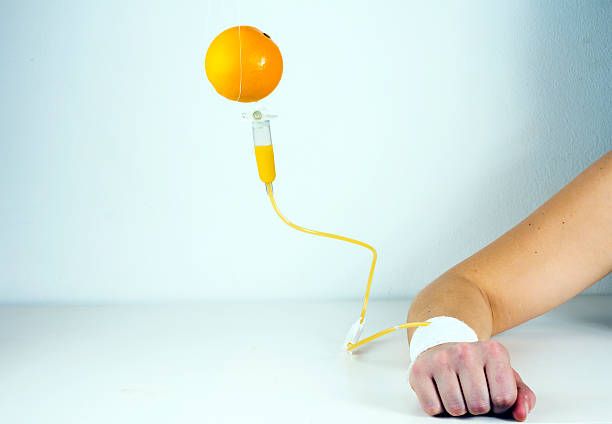
If you are considering an IV Drip in Dubai, you are likely searching for a proactive way to manage fatigue, optimize recovery, or support your immune system. In a city where life moves at a rapid pace, the appeal of direct nutrient delivery is clear. However, separating clinical reality from wellness trends is essential. This guide provides an honest look at what happens during an infusion, what sensations you can realistically expect, and how to determine if this therapy is the right choice for your specific health needs.
Why is an IV Drip in Dubai Gaining Popularity?
An IV Drip in Dubai works by delivering fluids, vitamins, and minerals directly into the bloodstream. Unlike oral supplements, which must pass through the digestive system, intravenous delivery ensures 100% bioavailability. This is particularly relevant for individuals dealing with chronic burnout or those who struggle with nutrient absorption due to high-stress lifestyles.
When performed correctly, the infusion process is a controlled medical procedure. We observe that the most effective sessions focus on slow, steady drip rates rather than high-volume speed. By introducing the solutes gently, the body’s electrolyte balance remains stable, reducing the likelihood of minor side effects like dizziness or sudden changes in blood pressure.
What Sensations Will You Feel During an IV Drip in Dubai?
Patients often report feeling a mix of curiosity and mild apprehension before their first session. Knowing the clinical sensations helps ground your expectations and eases pre-treatment nerves.
- The Insertion Phase: Most patients describe the initial needle entry as a quick, sharp pinch, similar to a standard blood draw. Once the catheter is secured, the needle is removed, leaving only a soft, flexible tube in the vein.
- Temperature Variations: As the fluid enters your system, you may notice a cool feeling traveling up your forearm. This is simply the temperature of the saline bag. Occasionally, if specific minerals like magnesium are included, you might feel a sudden, harmless warmth in your chest or throat.
- Sensory Changes: It is not uncommon for patients to report a faint, metallic taste in their mouth toward the end of the session. This is a common, short-lived response to concentrated minerals and dissipates rapidly once the drip is completed.
If you ever feel burning, aching, or excessive pressure at the site, you must tell your practitioner. A simple adjustment to the flow rate usually resolves these feelings immediately.
What is the Recovery Timeline for an IV Drip in Dubai?
One of the most frequent questions we address is how long it takes to return to "normal" life after an IV Drip in Dubai. The reality is that there is no traditional downtime, but there is a metabolic adjustment period.
- Immediate Post-Procedure: Most patients feel ready to resume their day instantly. We encourage you to sit for a few minutes before standing to ensure your blood pressure has stabilized.
- The 24-Hour Window: While some report an immediate "boost," many patients note that the most significant benefits, such as improved energy or reduced brain fog, manifest 24 hours after the session as the body fully integrates the nutrients.
- Physical Monitoring: It is common to experience slight tenderness or a very minor bruise at the injection site. This is a normal part of the process and generally fades within 48 hours.
Who Should Exercise Caution With an IV Drip in Dubai?
Safety is the absolute priority. Not everyone is a candidate for elective infusion therapy. A comprehensive assessment is required to ensure that an IV Drip in Dubai will not interfere with your existing physiological processes.
You should consult a physician before proceeding if you have a history of:
- Congestive Heart Failure: The sudden influx of fluid can overwhelm a weakened heart, leading to dangerous fluid retention.
- Kidney Function Impairment: Your kidneys are responsible for filtering fluids and balancing electrolytes. If they are not functioning at full capacity, adding concentrated nutrients can cause an unnecessary and potentially harmful load.
- Chronic Hypertension: High blood pressure requires careful monitoring of fluid volumes to prevent spikes that may affect cardiovascular health.
- Specific Medication Interactions: If you are on diuretics, blood thinners, or medication for thyroid conditions, your practitioner must know. Some nutrients can interact with these drugs, potentially altering their efficacy.
Patient Perspectives
"I was nervous about the needle, but the practitioner explained every step. The cool feeling in my arm was strange for a minute, but then I just relaxed. I felt much more balanced the following morning." — Layla
"I didn't feel a sudden 'lightning bolt' of energy, but the heavy fatigue I'd felt for weeks lifted after about 24 hours. Knowing a medical professional was monitoring my vitals made all the difference." — Ahmed
Why Choose Us
At Tajmeels Clinic, we understand that your health is a private matter. We provide a controlled, sterile, and highly professional environment where your IV Drip in Dubai is administered under strict medical supervision. By combining high-quality, pharmaceutical-grade ingredients with a compassionate, patient-first approach, we ensure that your wellness journey is both safe and effective, allowing you to prioritize your health with complete peace of mind.
Frequently Asked Questions
How long does an IV Drip in Dubai session typically last?
Most infusion sessions last between 30 and 60 minutes. The time varies based on the total volume of fluid and the specific concentration of nutrients. We prioritize a controlled, steady infusion rate to ensure your comfort and safety throughout the entire process.
Is it normal to feel lightheaded during an IV drip?
Occasional lightheadedness can happen, especially if your body is adjusting to the fluid. If you feel dizzy, tell your practitioner immediately. They can slow the drip rate or adjust your positioning to help you feel comfortable until the sensation passes entirely.
Can I get an IV drip if I am pregnant or breastfeeding?
Basic hydration fluids are sometimes used for medical necessity, but elective "wellness" drips containing high-dose vitamins are generally discouraged. You must speak with your obstetrician and our clinical team before considering any infusion therapy during pregnancy or while breastfeeding.
How often should I get an IV drip?
Frequency depends entirely on your health goals and baseline nutrient levels. For most, a monthly or bi-monthly session is sufficient for maintenance. We advise against over-infusing, as it is counterproductive and places unnecessary strain on your body’s natural filtration systems.