
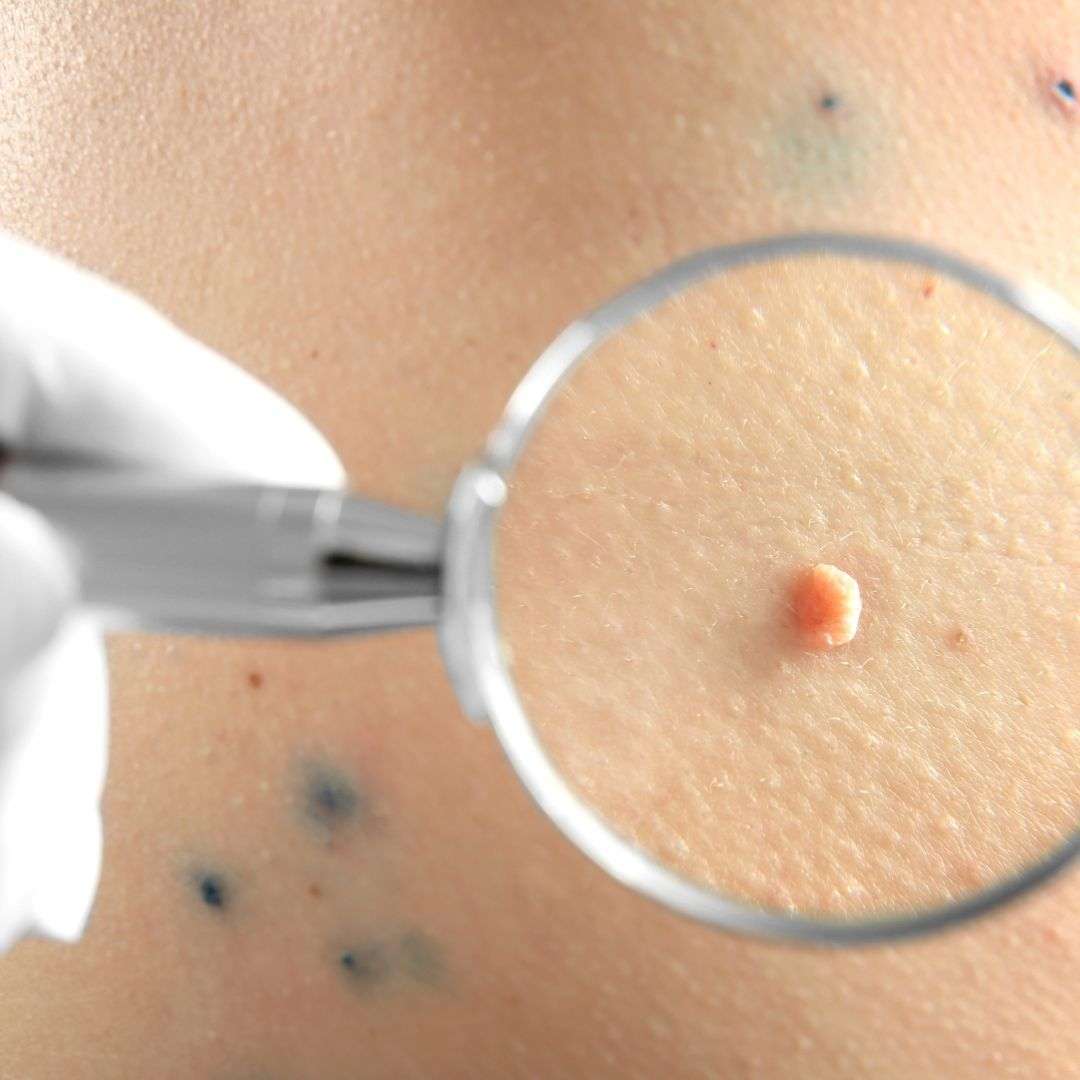
Deciding to address an unwanted skin growth is often driven by a mix of cosmetic concerns and the need for peace of mind. Whether you are dealing with a raised mole that catches on clothing or a pigmented lesion on the face that affects your confidence, mole removal in Dubai is a routine, highly perfected dermatological procedure. Many patients initially feel anxious about the potential for scarring or the discomfort associated with the extraction, but modern dermatology has evolved to prioritize precision and aesthetic harmony. By understanding the different medical techniques—from laser treatments to surgical excision—you can make an informed choice that ensures both your skin's health and its future appearance.
How Does Laser Mole Removal in Dubai Work for Aesthetic Concerns?
Laser mole removal in Dubai utilizes specialized light energy to safely target and break down the pigmented cells within a lesion. Using technology like the Q-Switched Nd:YAG laser, practitioners can treat superficial, flat, or pigmented moles with high precision. Because the laser can be adjusted in intensity, it allows the dermatologist to remove the mole layer by layer, minimizing thermal damage to the surrounding healthy skin. Patients often report that the sensation during laser treatment is similar to a light snap of a rubber band. Post-procedure, the treated area typically forms a small scab that naturally flakes off within a week, leaving behind clear, rejuvenated skin with minimal risk of permanent marking.
What Are the Differences Between Surgical and Non-Surgical Mole Removal?
Choosing the right mole removal treatment in Dubai depends largely on the mole's size, depth, and whether a biopsy is needed to confirm it is benign.
- Surgical Excision: This is the gold standard for deeper or potentially suspicious moles. The dermatologist numbs the area, removes the entire lesion with a scalpel, and closes the site with fine sutures. This technique ensures the mole is completely removed and provides a specimen for pathology.
- Shave Excision: Best for raised moles that sit mostly on the surface. The practitioner "shaves" the mole flush with the skin. It is quick, leaves a small, flat mark that heals quickly, and is ideal for facial mole removal in Dubai where aesthetic results are paramount.
- Electrocautery: Uses a low-voltage current to burn off benign skin growths. It is highly effective for smaller, fleshy moles and offers excellent control over bleeding.
- Cryotherapy: Using liquid nitrogen to freeze the mole, this method is occasionally used for specific benign lesions. It is non-surgical but may require multiple sessions to achieve permanent mole removal.
What Sensations and Recovery Timelines Should You Expect?
The recovery journey is often much easier than patients anticipate. During the procedure, the use of local anesthesia ensures that you feel pressure, but no pain. After the numbing wears off, most individuals describe the site as feeling slightly tender or "tight," particularly if sutures were used.
- Immediate Post-Op: The treated area may appear pink or red. This is a normal part of the skin’s healing response.
- Week 1: If a laser or shave excision was used, a small scab will form. Keeping the area clean and protected from the sun is the most important step for scar-free mole removal in Dubai.
- Weeks 2–4: The skin begins to remodel. We observe that using high-quality sun protection and silicone-based gels can significantly aid in mole scar reduction during this phase.
"I was so worried that facial mole removal would leave a permanent mark, but the process was surprisingly quick and painless. My skin healed perfectly, and I’m so much more confident now." — Sarah
"I had two raised moles that always irritated me. The dermatologist explained all the options, and the excision was over before I knew it. The recovery was seamless." — Ahmed
Is Mole Removal in Dubai Safe for All Skin Types?
Safety is the absolute priority in any skin lesion removal procedure. Before any treatment begins, a thorough dermatological assessment is conducted to examine the lesion under magnification. If a mole exhibits irregular borders, uneven color, or rapid growth, it is flagged for a surgical excision and biopsy to rule out malignancy.
While advanced mole removal is generally safe for all skin types, individuals with a history of keloid scarring must disclose this during the consultation. In these cases, the dermatologist will adjust the surgical technique or intensity of the laser to minimize the inflammatory response, ensuring a safe and aesthetically pleasing outcome.
Why Choose Us
Choosing the right provider for your skin health is essential for ensuring both safety and long-term aesthetic satisfaction. At Tajmeels Clinic, we combine advanced technology—including Q-Switched Nd:YAG lasers and precise excision tools—with a deep commitment to dermatological excellence. Our practitioners meticulously plan every procedure to prioritize your comfort and minimize the risk of scarring, providing you with a seamless and reassuring experience from your initial consultation through to your final follow-up.
FAQ Section
Is mole removal painful?
No. During any mole removal procedure, local anesthesia is injected into the site, which completely numbs the area. You may feel a slight prick during the injection, but once the anesthesia takes effect, the actual removal process—whether laser or surgical—is painless.
Will mole removal leave a scar?
The goal of all our treatments is minimal to no scarring. Shave excisions and laser treatments typically leave very faint marks that fade significantly over time. Surgical excisions leave a fine line that, when cared for properly with aftercare protocols, becomes nearly invisible as the skin heals.
How do I know if a mole needs to be removed?
If a mole changes in size, shape, color, or starts to bleed, itch, or crust, it should be examined immediately. Even if a mole is benign, it is worth removing if it is located in a high-friction area or if it causes you cosmetic distress.
Can I return to work immediately after treatment?
Yes, most patients return to their daily activities immediately. For facial mole removal, you might prefer to take a day or two off if you are concerned about the appearance of a small scab or bandage, but there is no medical requirement for extended downtime.
How long does the procedure take?
Most mole removal procedures are highly efficient, usually taking between 15 to 30 minutes, depending on the number of moles being treated and the complexity of the chosen removal method. You will be in and out of the clinic in under an hour.