
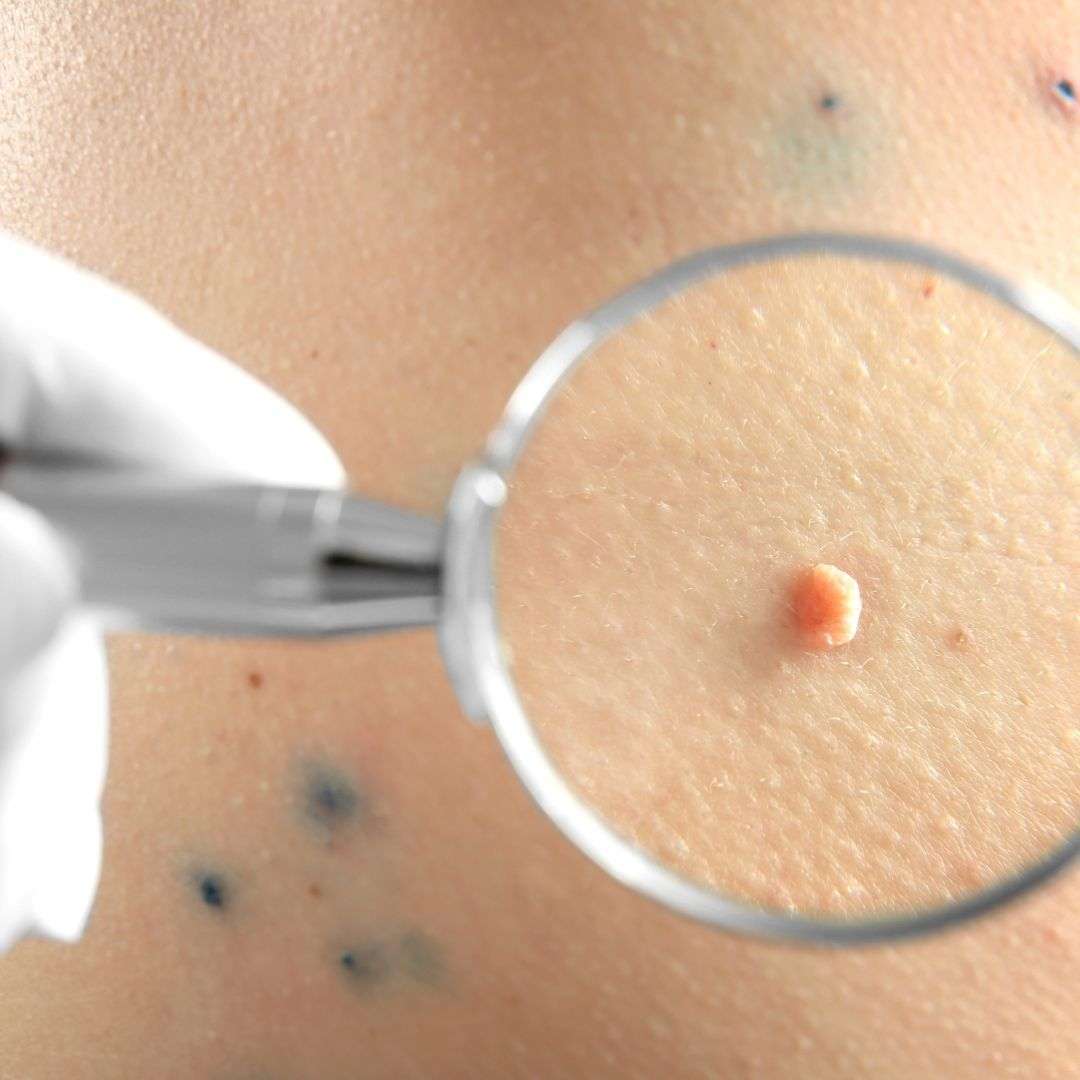
The modern approach to Mole Removal in Dubai is built upon a foundation of clinical excellence and patient-centric comfort. For many, the choice to remove a mole is a proactive step toward skin health and aesthetic confidence, yet it is natural to have questions about the physical reality of the procedure. By utilizing advanced local anesthesia and high-precision energy devices, the experience is transformed from a traditional surgery into a brief, controlled dermatological session.
We observe that clarity is the best remedy for procedural anxiety. When you understand the specific steps taken to protect your skin and the sensations you will actually feel, the process becomes a straightforward and stress-free addition to your healthcare routine.
What Are the Actual Sensations During the Procedure?
The sensations during the procedure are characterized by a predictable sequence that prioritizes your comfort. Because a local anesthetic is utilized, the brain's pain receptors in that specific spot are temporarily deactivated, leaving you with only a sense of movement and minor temperature changes.
Based on post-procedure follow-ups, patients describe the experience as follows:
- The Numbing Phase: A quick, 3-to-5-second "mosquito-like" pinch as the anesthetic is administered.
- The Active Removal: A feeling of "light pressure" or a "pulsing warmth" if a laser is used. Patients often describe the sound as a soft, rhythmic clicking.
- The Thermal Effect: A sensation of localized heat, similar to a warm stone or a quick, mild snap of a rubber band.
- The Final Step: A cool, soothing feeling as a medical-grade barrier cream is applied to protect the site from environmental dust.
If you feel any sharp discomfort, the specialist can immediately adjust the settings or provide more anesthetic. This real-time calibration ensures that your comfort remains the priority throughout the entire duration of the session.
How Do Specialist Adjustments Influence Your Result?
Specialist adjustments influence the final result by tailoring the laser's energy or the surgical approach to the specific architecture of your skin. A mole on the thin skin of the neckline requires a much softer approach than one on the thicker skin of the shoulder or back.
To maximize your results, practitioners often make these micro-adjustments:
- Energy Modulation: Fine-tuning the wavelength to target only the dark pigment without heating the surrounding clear skin.
- Pulse Frequency: Spacing out the bursts of light to allow the skin to "cool down" between applications, which prevents unnecessary inflammation.
- Cauterization Control: Using specific settings to seal blood vessels instantly, which minimizes post-procedure bruising and swelling.
These adjustments are what differentiate a standard removal from a high-end dermatological result, specifically reducing the time the skin stays in the "bright pink" phase of healing.
What Are the Practical Steps for Recovery in Dubai?
Practical post-treatment care is centered on the principle of "moist wound healing," which has been proven to result in significantly less scarring than allowing a hard, dry scab to form. In the dry climate of the UAE, this step is even more critical for a seamless finish.
To support your skin’s recovery, follow these steps:
- Gentle Cleansing: Use only cool water and a fragrance-free cleanser; avoid scrubbing the site for at least 7 days.
- Moisture Barrier: Apply a thin layer of prescribed ointment twice daily to keep the site supple and sealed.
- Physical Protection: Use a small, breathable bandage if the area is likely to rub against clothing or jewelry.
- Sun Guarding: Once the site has closed, a mineral-based SPF 50 is essential to prevent the new "baby skin" from darkening.
Patients report that following a "hands-off" approach is the most difficult but rewarding part of the process. Resisting the urge to pick at the healing site ensures that the final surface remains flat and even with the surrounding skin.
Why Choose Tajmeels Clinic for Your Skin Care?
At Tajmeels Clinic, we understand that providing Mole Removal in Dubai requires a blend of clinical expertise and a gentle touch. Our specialists combine technical precision with a patient-centric approach, ensuring you are fully informed and comfortable at every stage. We provide the expertise and the follow-up care necessary to turn your skin concerns into a distant memory, leaving you with a clear and confident complexion.
FAQs
How long does a mole removal session usually take?
The active removal of a single mole usually takes between 5 to 10 minutes. However, we schedule extra time for a thorough skin assessment and to allow the local anesthetic to fully numb the area before we begin the procedure.
Is it normal for the area to itch during the second week?
Itching is a very common sign that the nerves are reintegrating and the skin is remodeling. While it can be bothersome, you should avoid scratching the area. Applying a cool compress nearby can often soothe the sensation effectively without disturbing the skin.
Can I use my regular skincare products after the procedure?
You should wait until the skin has completely closed, usually 7 to 10 days, before using products with active ingredients like Retinol, Vitamin C, or AHAs. For the first week, stick strictly to the gentle, fragrance-free ointments recommended by your specialist.
What happens if I have a history of keloid scarring?
If you are prone to keloids, please inform your specialist during the consultation. We can adjust the removal method and provide a more rigorous post-care protocol, such as silicone gel therapy or specialized dressings, to minimize the risk of a raised scar.
Will there be a hole in my skin after removal?
Immediately after the mole is removed, there may be a shallow indentation. This is normal. The body is highly efficient at filling this space with new collagen, and the site typically levels out to be flush with the surrounding skin within a few weeks of treatment.