
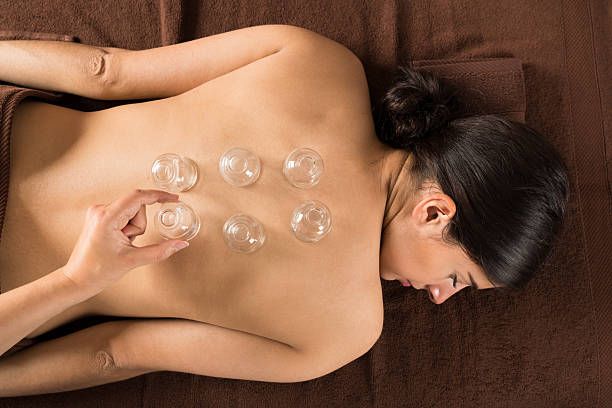
For many, the first appointment for Cupping Therapy in Dubai can feel intimidating due to the unique appearance of the treatment and the traditional "Hijama" roots. However, understanding the clinical sequence—from the moment you enter the treatment room to the final recovery phase—can transform apprehension into a relaxed, therapeutic experience. At Tajmeels Clinic, we prioritize a "no-surprises" approach, ensuring every patient is fully briefed on the physical sensations and procedural steps involved.
We observe that when patients are mentally prepared for the "tug" of the vacuum and the warmth of the increased circulation, their nervous system remains in a relaxed state, which actually enhances the efficacy of the treatment.
Pre-Treatment: Preparing for Cupping Therapy in Dubai
Before the first cup is even placed, a proper clinical setup is essential. We observe that the best results occur when the body is in a state of equilibrium.
Medical Consultation and Skin Assessment
Your session begins with a thorough review of your health history. We observe that practitioners must check for skin sensitivity, recent surgeries, or any history of blood-clotting issues. This is also when the "map" of your treatment is created—identifying specific trigger points or areas of stagnation that require the most attention.
Hygiene and Sterilization Standards
In a medical-grade facility like Tajmeels Clinic, hygiene is non-negotiable. We observe that all equipment used for Cupping Therapy in Dubai must be either single-use or sterilized in a high-pressure autoclave. The skin is cleaned with a medical-grade antiseptic to ensure the suction environment remains sterile.
The Procedure: The "Step-by-Step" Sensations
The actual application of the cups is a rhythmic process. Here is how the experience typically unfolds for our patients.
Step 1: The Initial Suction and Placement
The practitioner places the cup and creates a vacuum using a specialized hand pump.
What does the vacuum feel like during Cupping Therapy in Dubai?
Immediately, you will feel a firm "tugging" sensation. Unlike a massage that presses down, this pulls the tissue upward. Most patients describe it as a "tight headband" feeling on the muscle. We observe that within 60 seconds, this sensation usually transitions from "intense" to a dull, soothing pressure.
Step 2: The "Incubation" Period
The cups are left in place for 5 to 15 minutes.
How do the tissues react during the incubation phase?
During this time, we observe that the skin inside the cup changes color, turning pink, red, or deep purple. This is the "stagnation" being drawn to the surface. You may feel a localized warmth as fresh blood rushes to the area, a sensation many patients find deeply relaxing.
Step 3: Wet Cupping (Hijama) Integration
If you have opted for wet Cupping Therapy in Dubai, the cups are briefly removed to perform micro-incisions.
Are the incisions in Hijama painful?
Based on post-procedure follow-ups, patients describe the incisions as "light scratches," similar to the feeling of a cat scratch or a quick pinprick. The cups are then reapplied to draw out the stagnant fluids. We observe that this stage often provides the most significant "internal relief" for chronic inflammation.
Post-Treatment: The First 24 Hours
Once the cups are removed, the skin is cleaned and a soothing, natural antiseptic (often black seed oil or honey-based ointment) is applied.
Immediate Sensations After the Session
We observe that most patients feel "light" or "floaty" immediately after standing up. However, it is also common to feel a bit chilly, as the body’s internal temperature shifts during the detoxification process.
Managing the Circular Marks
How should I care for my skin after Cupping Therapy in Dubai?
The marks are a badge of healing, not a bruise. We observe that the best way to care for them is to:
- Keep the area covered: Protect the skin from direct wind or cold air conditioning for 24 hours.
- Avoid hot showers: Wait at least 12–24 hours before bathing to allow the micro-incisions (if any) to seal.
- Hydrate: Drink plenty of water to help the lymphatic system process the toxins that were "pulled" to the surface.
Social Proof: Patient Recovery Journeys
"I was surprised at how fast the procedure went. The 'tugging' was strong at first, but after a few minutes, I actually fell asleep. I left Tajmeels Clinic feeling like I had a brand new back." — Zain
"The marks looked scary in pictures, but they didn't hurt at all. By day three, they were already turning light yellow. The physical lightness I felt in my shoulders was worth it." — Elena
Why Choose Tajmeels Clinic?
At Tajmeels Clinic, we observe that the environment is just as important as the technique. Our treatment rooms are designed to be a sanctuary from the high-energy life of the city. By combining rigorous medical safety standards with an empathetic, patient-centered approach, we ensure that your Cupping Therapy in Dubai is more than just a treatment—it is a comprehensive healing experience.
FAQ Section
How long does a full session take?
A standard session for Cupping Therapy in Dubai typically lasts between 45 to 60 minutes. This includes the initial consultation, the cupping process, and the post-treatment cleanup.
Will I feel "sick" after my first cupping session?
Some patients experience a "healing crisis," which can include mild fatigue or a slight headache. We observe that this is simply the body processing released toxins and usually clears within a few hours.
Is there any downtime after the procedure?
There is no "functional" downtime; you can return to work immediately. However, we observe that patients benefit most when they avoid heavy exercise and high-stress activities for the first 24 hours.
Can I have cupping done on my face?
Yes, but "Facial Cupping" uses much smaller, softer cups and does not leave marks. We observe that it is excellent for lymphatic drainage and reducing puffiness, but it is a different technique than the body-based Cupping Therapy in Dubai.
What should I wear to my appointment?
We recommend wearing loose, comfortable clothing. If we are treating your back or shoulders, you will be provided with a medical gown to ensure the practitioner has easy access to the treatment areas.
Does the color of the marks mean anything?
Yes. We observe that darker marks often indicate a higher level of stagnation or older metabolic waste in that area. As you have more sessions, the marks usually become lighter as the body becomes "cleaner."